Impossible Things Happen When You Do This One Thing
Shel Horowitz explains how ethical marketing turns sustainability into profit, loyalty, and lower costs for SMBs.

Hosts Bernie Franzgrote, Wayne Pratt and Percy Barr
Practical ways to turn ethical marketing into revenue and loyalty in this East Trade Winds Presentation with Shel Horowitz.
Many small business owners think sustainability is expensive.
Shel Horowitz says that belief is costing them money.
In this East Trade Winds conversation, he shows how ethical marketing can grow profit and trust at the same time.
Who This Episode Is For
- Small and medium business owners 3–10 years in
- Solopreneurs building a reputation
- Corporate escapees starting fresh
- Leaders who want systems, not chaos
- Businesses that want growth without guilt
The Real Problem SMB Owners Face
Most businesses want to do the right thing.
They just worry it will cost too much.
Shel Horowitz challenges that idea. He explains that ethical marketing is not about being perfect or preachy. It is about making smarter choices that lower costs, attract loyal customers, and build long-term value.
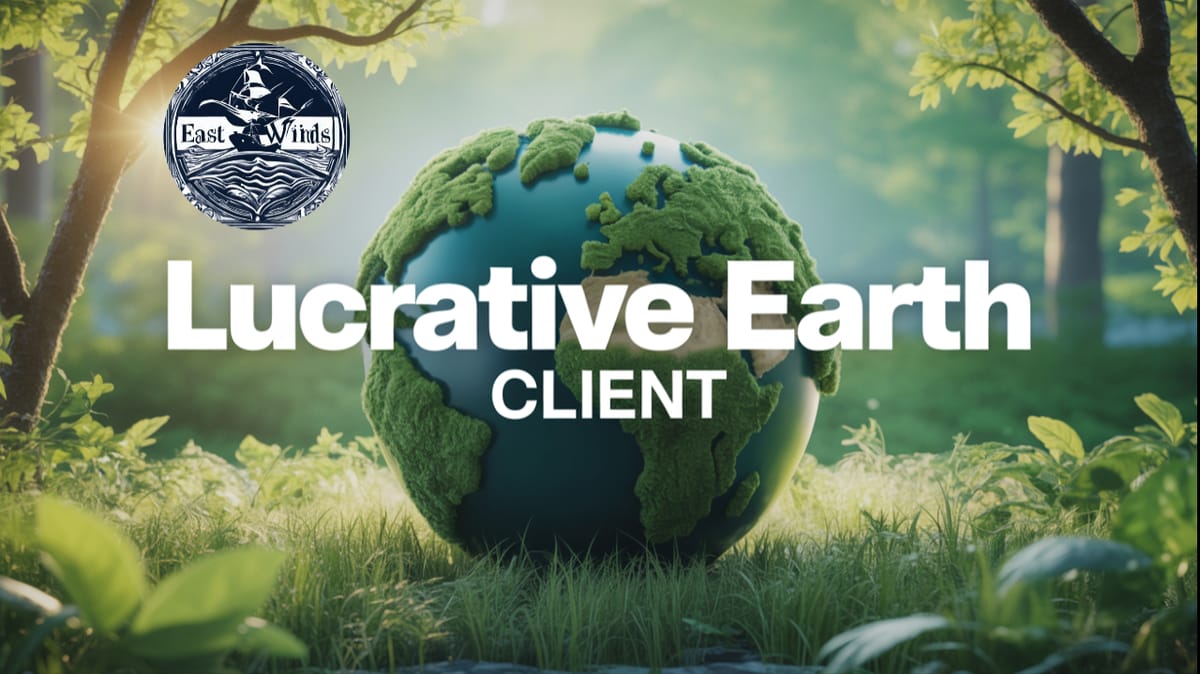
His core idea is simple: treat the Earth like your most valuable client.
When you do, better business decisions follow.
Key Lessons from the Episode
Takeaway 1 – Green Can Mean Profit
Shel shares real examples where businesses saved millions by redesigning how they use energy, water, and materials. One major building upgrade paid for itself quickly and kept saving money every year after.
These changes were not charity. They were smart business moves that reduced waste and improved efficiency.
Lesson: If you are not looking at sustainability, you may be leaving money on the table.
Takeaway 2 – Market the Benefits, Not the Label
Shel warns against saying, “Buy this because it’s green.”
Most customers do not buy labels. They buy outcomes.
People care about:
- Lower bills
- Cleaner air
- Safer products
- Better quality of life
When marketing focuses on benefits people feel, trust grows naturally.
Lesson: Sell comfort, savings, and results—not buzzwords.
Takeaway 3 – Purpose Builds Loyalty
Ethical businesses do more than attract customers. They keep employees longer.
Shel explains that when staff feel proud of where they work, they become brand ambassadors. Hiring gets easier. Turnover drops. Culture improves.
Customers notice this too. They stay with brands that stand for something real.
Lesson: Purpose is not soft—it is strategic.
Practical Steps You Can Take This Week
You do not need a big budget to start. Try one of these:
- Audit one area where your business wastes energy, water, or materials
- Rewrite one offer to focus on customer benefits instead of features
- Choose one supplier that aligns better with your values
- Ask your team where small changes could save money
Small steps compound faster than big promises.
About the Guest
Shel Horowitz is an award-winning ethical marketing and green business profitability expert. He helps businesses turn sustainability into a competitive advantage.
Shel works with companies that want to grow revenue while making the world better. He believes business can be a force for healing—not harm—when it is designed with intention.
- Shel Horowitz (LinkedIn)
- Going Beyond Sustainability
Shel also offers free resources, including a PDF of his book “Guerrilla Marketing to Heal the World,” along with tools and slides to help businesses get started.
Listen on Audio
Listen to the East Trade Winds podcast
More East Trade Wind episodes
Why This Conversation Matters Now
Customers are paying attention.
Employees are choosing values.
Markets are rewarding trust.
Shel’s message is clear: sustainability is not a cost center. It is a growth strategy.
When businesses align profit with purpose, they unlock loyalty, efficiency, and resilience.
🎧 Listen to the full episode and hear the stories for yourself.
💬 Leave a comment on LinkedIn and share one idea you can apply this month.
🌍 Explore more East Trade Winds conversations:
🤝 Supported by the Canada Growth Network — a business community powered by GHL CRM
$47 CDN / month • no contract
📩 Questions or collaboration ideas?
Email us at info@kreativinsight.com
FAQ
What is ethical marketing?
Ethical marketing focuses on honesty, real benefits, and long-term trust with customers.
Can sustainability really increase profit?
Yes. Many changes reduce costs, improve loyalty, and open new markets.
Is this approach only for large companies?
No. Small businesses often move faster and see results sooner.