Starting Over in Canada: Build Your Money Safety Net First
Davaski Walters moved from Jamaica to Canada with big plans and the wrong ideas about money. He shares the order that works: emergency fund, protection, then investing.

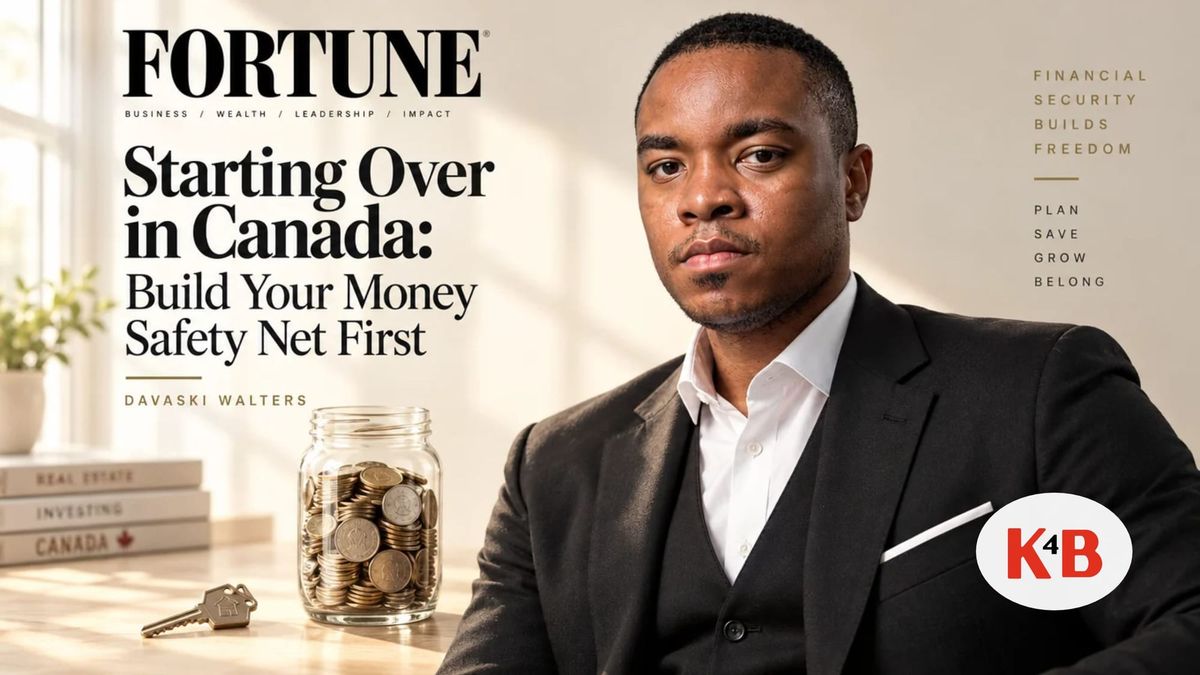
Host: Bernie Franzgrote
Davaski Walters shares how to start over in Canada with an emergency fund, protection and long-term investing. Hear the full talk on Knack 4 Business.
GROWTH CATEGORY: Real Estate & Wealth Building
Brought to you by @Hive, Profit10™, and Gentry Learning.

You land in a new country with a suitcase and a job to find. Or you run a business and every dollar goes to bills first. Either way, one bad month can undo years of work. Davaski Walters has been there, and he now helps people build the safety net first.
Davaski is a financial professional in Toronto who helps individuals, families, and business owners with life insurance, investments, and financial literacy. He grew up in Jamaica and moved to Canada nine years ago, starting over with a lot of wrong ideas about money. In this conversation, he explains why an emergency fund comes first and why long-term investing needs patience. He also covers business money basics and how to spot an advisor you can trust. This is for newcomers, young professionals, parents, and business owners who want simple money basics.
Watch the full conversation here:
Many people who start over in Canada skip the first money step and go straight to investing. Davaski Walters, a Toronto financial professional who moved here from Jamaica, explains the order that works. Build an emergency fund, add protection, then invest for the long term, so one bad month does not break your plan.
Who this is for
Newcomers to Canada, young professionals, parents, solopreneurs, and small business owners.
Key Lessons
1. Emergency fund first. Investing third.
Davaski’s order never changes: emergency fund, protection, then long-term investing. You never want an emergency to break your long-term plan. If you can’t earn money, the cushion matters most.
2. Protect yourself before the business.
Many owners pay the bills first and see what is left. Davaski says flip it. If something happens to you and you are not covered, the business may not survive. Keep business and personal accounts apart, and pay yourself a salary.
3. Match your money to your timeline.
A retirement 30 years away can ride out a bad year. A home purchase in three years can’t. Match the investment to the goal, check it once a year, and skip the daily panic.
Practical Steps
- Open a separate account for emergencies this week. Start with $20 if that is all you have.
- Separate business and personal accounts, and pay yourself a salary.
- Put a yearly money review on your calendar.
This is education, not financial advice. Talk to a licensed professional about your situation.
About the Guest
Davaski Walters is the founder of Wealth W Walters Financial Solutions and works with World Financial Group. Connect: LinkedIn · Instagram · Facebook.
Listen on Audio
Partners on this episode
@Hive: real-world business networking, in person and online.
Profit10™: a free 10-question Profit Snapshot.
Gentry Learning: Fred Crouch’s real estate education hub. Listings · Investor Club · Free Newsletter
FAQ
What should newcomers do first with money in Canada?
Build an emergency reserve first. Add some protection and keep investing long term.
Why does an emergency fund come before investing?
So an emergency never forces you to cash out your long-term plan.
How often should I check my investments?
Davaski says once a year is enough. Growth is a long game, not a daily one.
- Join Canada Growth Network: $47 CAD, CRM + community
- Web Indexer: quick-install chatbot, info 24/7 for visitors. Install it today.
- Browse all episodes (K4B / ETW / CGN)
- Search K4B episodes by topic. This uses that Web Indexer!
- Want to be a guest? Register here
K4B Acknowledgements
Carl Richards · Fred Crouch · Jovan Strika, @Hive · Melanie Webber